The Anti-Uranium Mapping Project: Church Rock Spill of 1979
Shayla Blatchford (Diné)
August 1 - 29, 2025
WHEN • Friday, August 1 – Friday, August 29, 2025
WHERE • CENTER, 1570 Pacheco St, B-1, Santa Fe, NM 87505
HOW • Free and Public
OPENING RECEPTION • Friday, August 1, from 5:00 - 7:00 PM MT
ARTIST TALK & WORKSHOP • Thursday, August 14,
Doors Open 5:00pm MT
Artist Talk 6:00-7:00pm MT
Counter Mapping Workshop 7:00-8:00pm
LEARN MORE • antiuraniummappingproject.com
ACCOMMODATIONS • Schedule your class visit or sensory-friendly visit to the new CENTER space by emailing programs@centersantafe.org.
We look forward to seeing you!
Picture this, imagine navigating through the virtual landscape of Google Earth, seeking your aunt's house on the Navajo Nation. As you toggle through aerial views from memory, what you discover isn't just the path home to your family, but a nearby scar marring the landscape—a coal mine, stark against the backdrop of your heritage. This jarring encounter was the catalyst for the Anti-Uranium Mapping Project, born out of a quest for connection and a shocking revelation.
Join CENTER and Blatchford as she uncovers the hidden truths of extractive mining practices and stand against the devastating aftermath of uranium mining.
© Shayla Blatchford
-
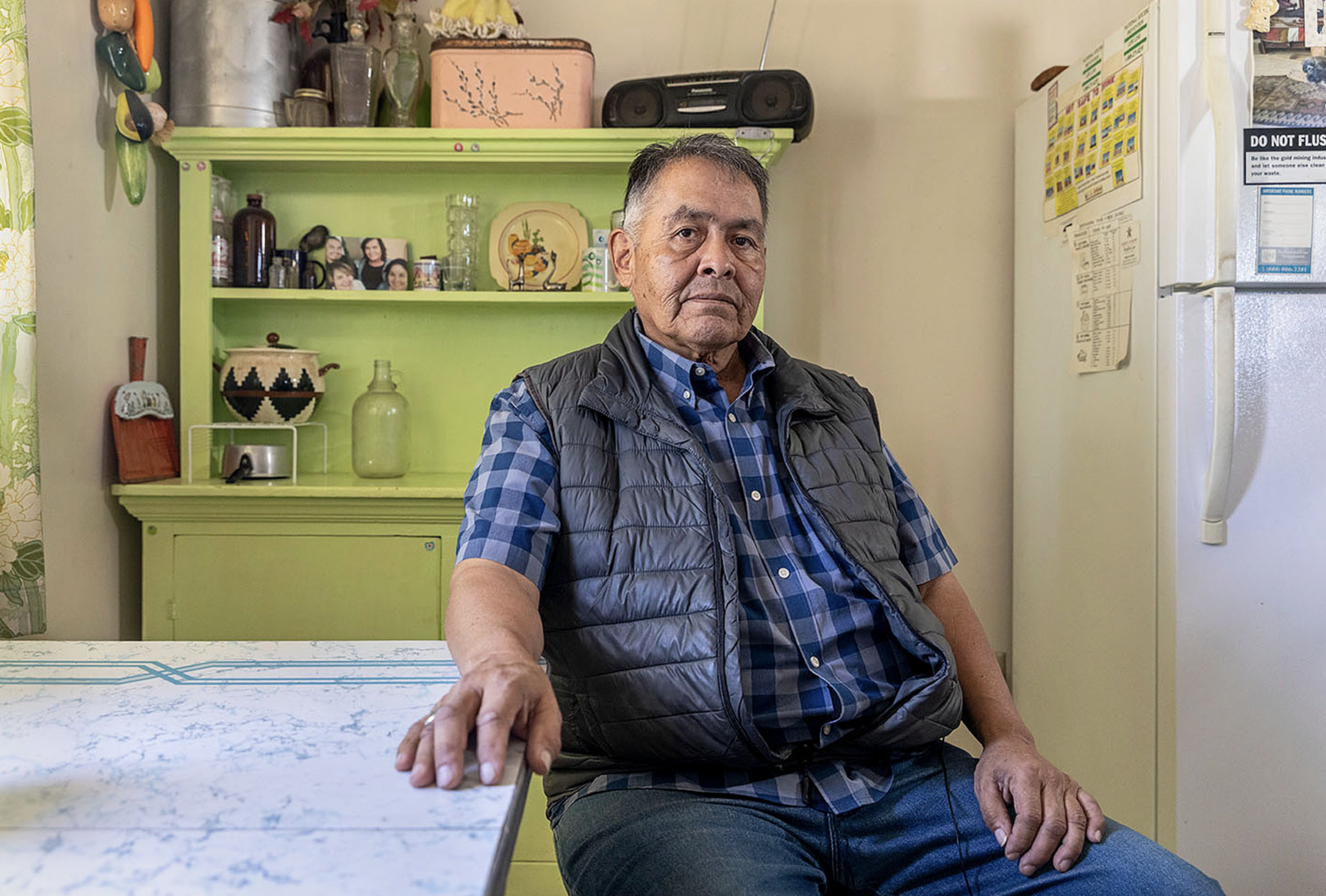
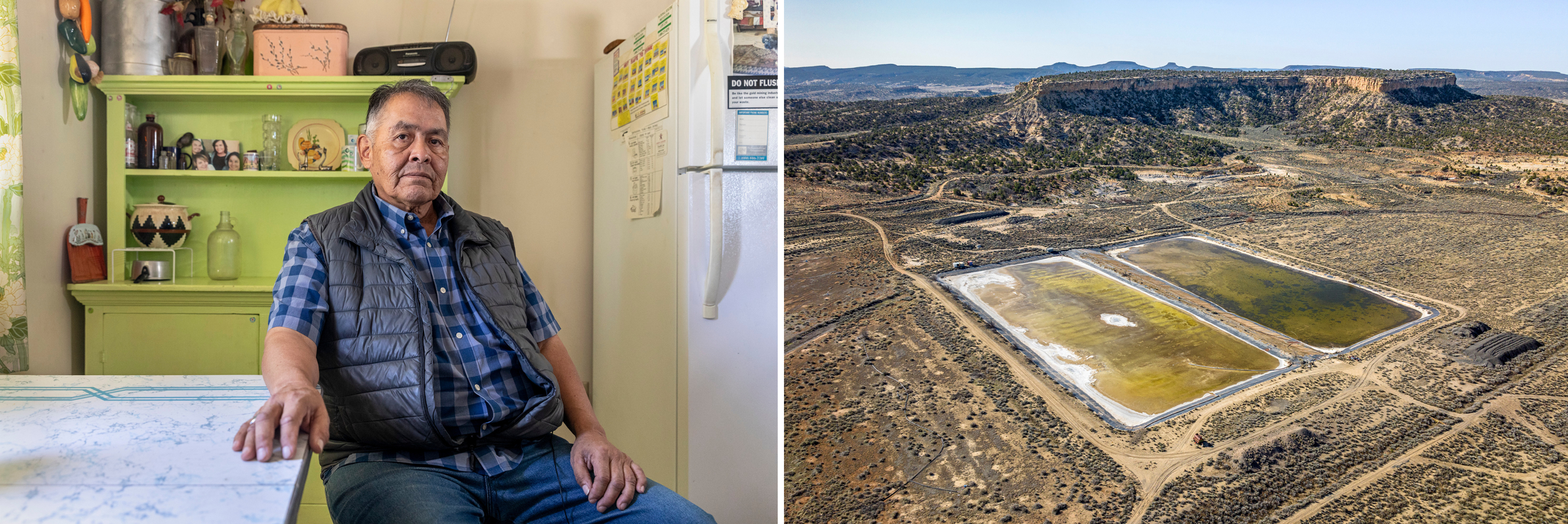
“Larry King was working at the uranium mill when United Nuclear Corporation’s tailings pond in Church Rock breached its dam. 94 million gallons of toxic waste leaked into the Puerco River, which runs along his family’s property line.” from the series The Anti-Uranium Mapping Project: Church Rock Spill of 1979 © Shayla Blatchford
-
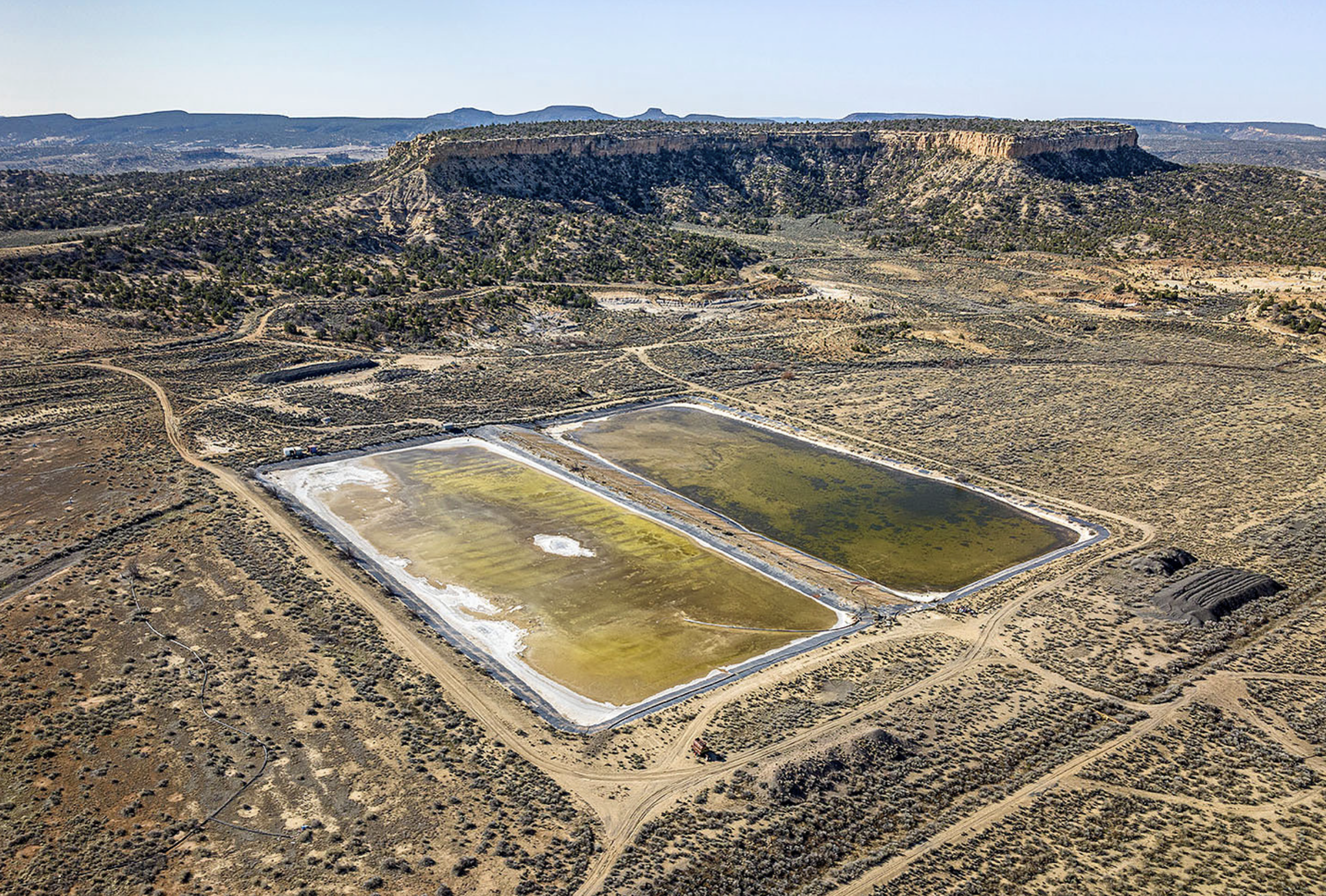
“Leaching ponds contain a mixture of low-grade uranium ore and an acidic drip system, which eventually isolate uranium minerals into a radioactive sludge known as “tailings.”” from the series The Anti-Uranium Mapping Project: Church Rock Spill of 1979 © Shayla Blatchford
-
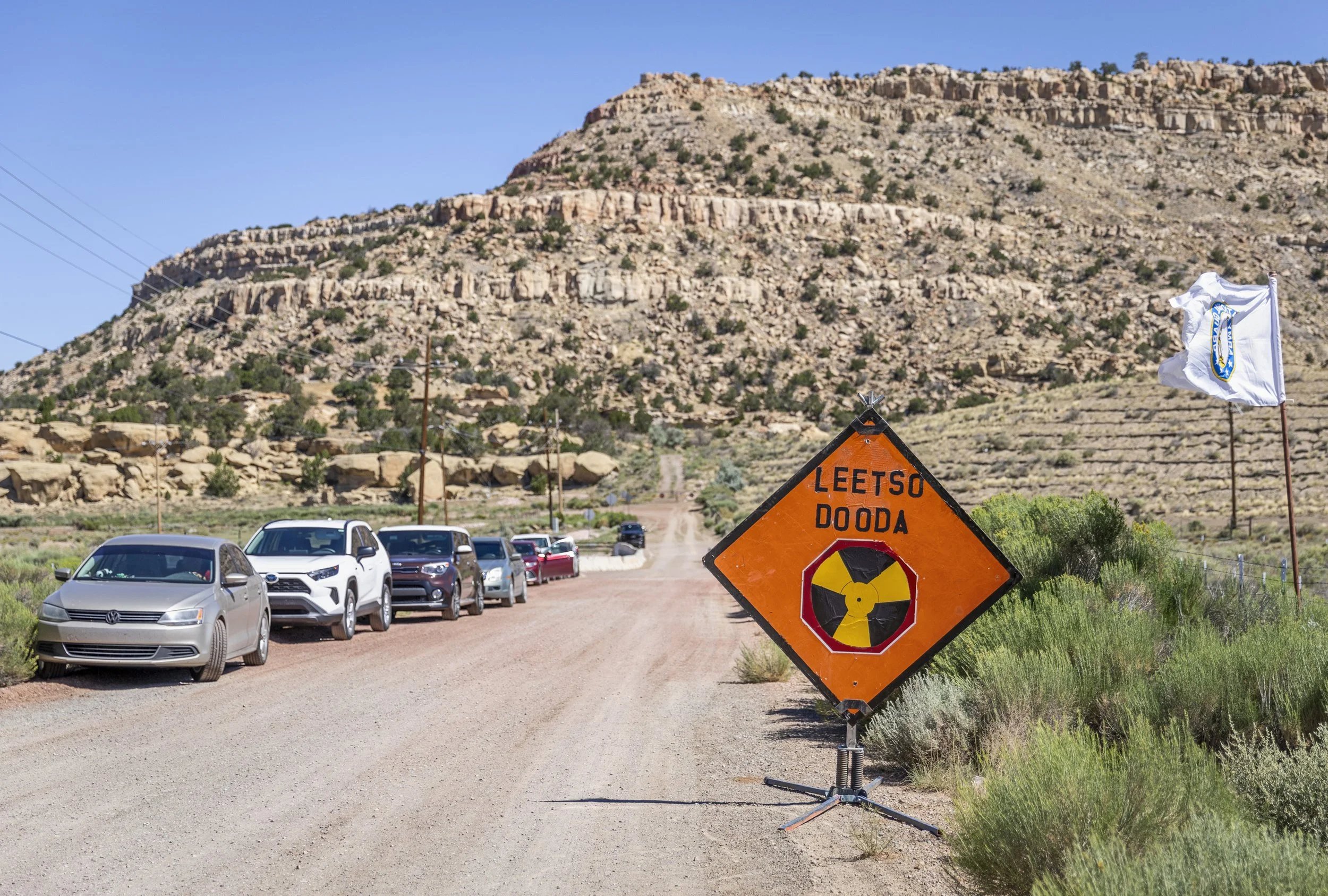
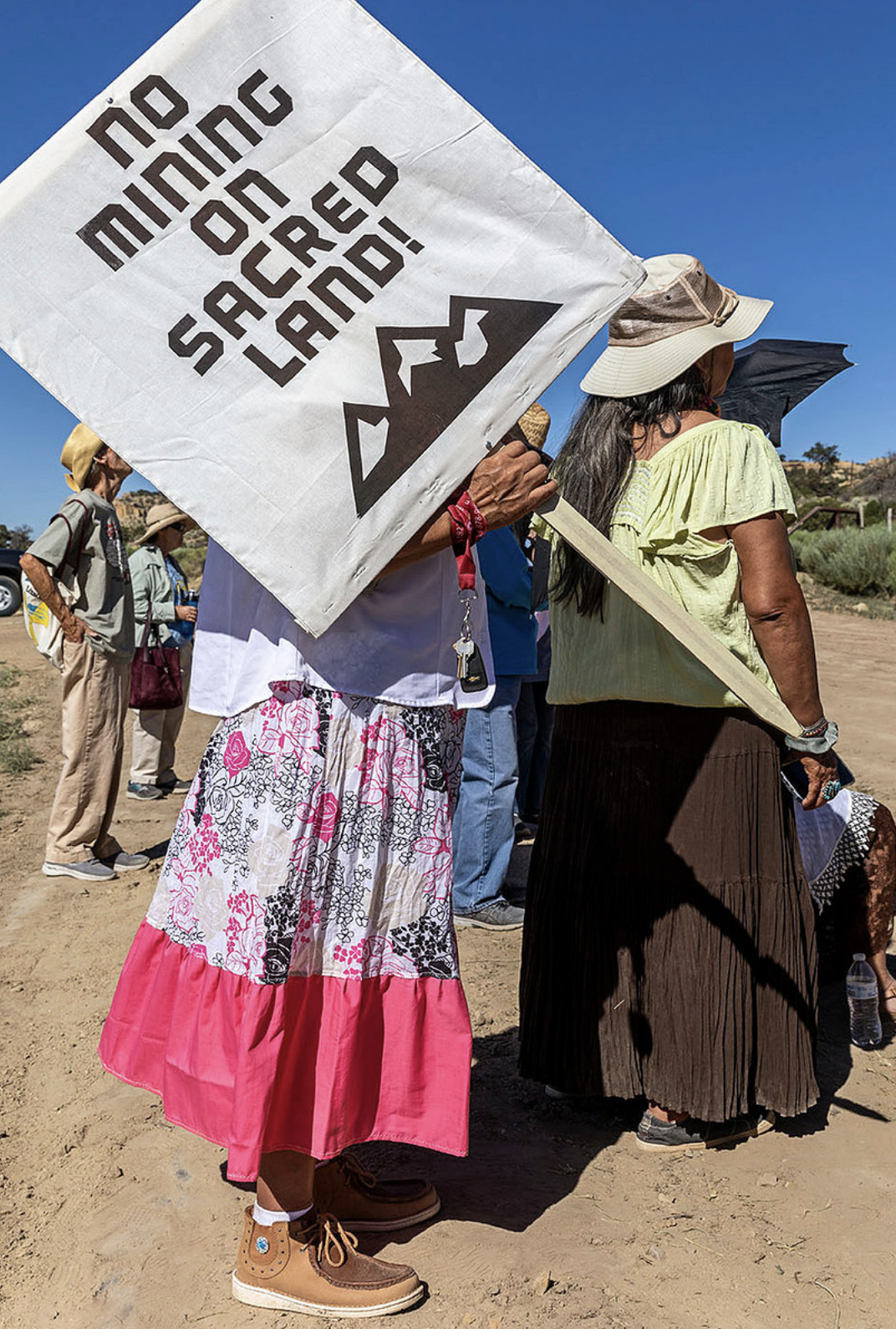
“Approaching a capped mound of radioactive rubble from former uranium mines in Northeast Church Rock and Quivira, a sign written in Diné reads, “LÉÉTSOH DOODA,” or “NO URANIUM.”” from the series The Anti-Uranium Mapping Project: Church Rock Spill of 1979 © Shayla Blatchford
-
“Environmental studies have shown that the impacts of mining in communities results in loss of biodiversity, soil contamination, deforestation, and decreased water quality.” from the series The Anti-Uranium Mapping Project: Church Rock Spill of 1979 © Shayla Blatchford
-
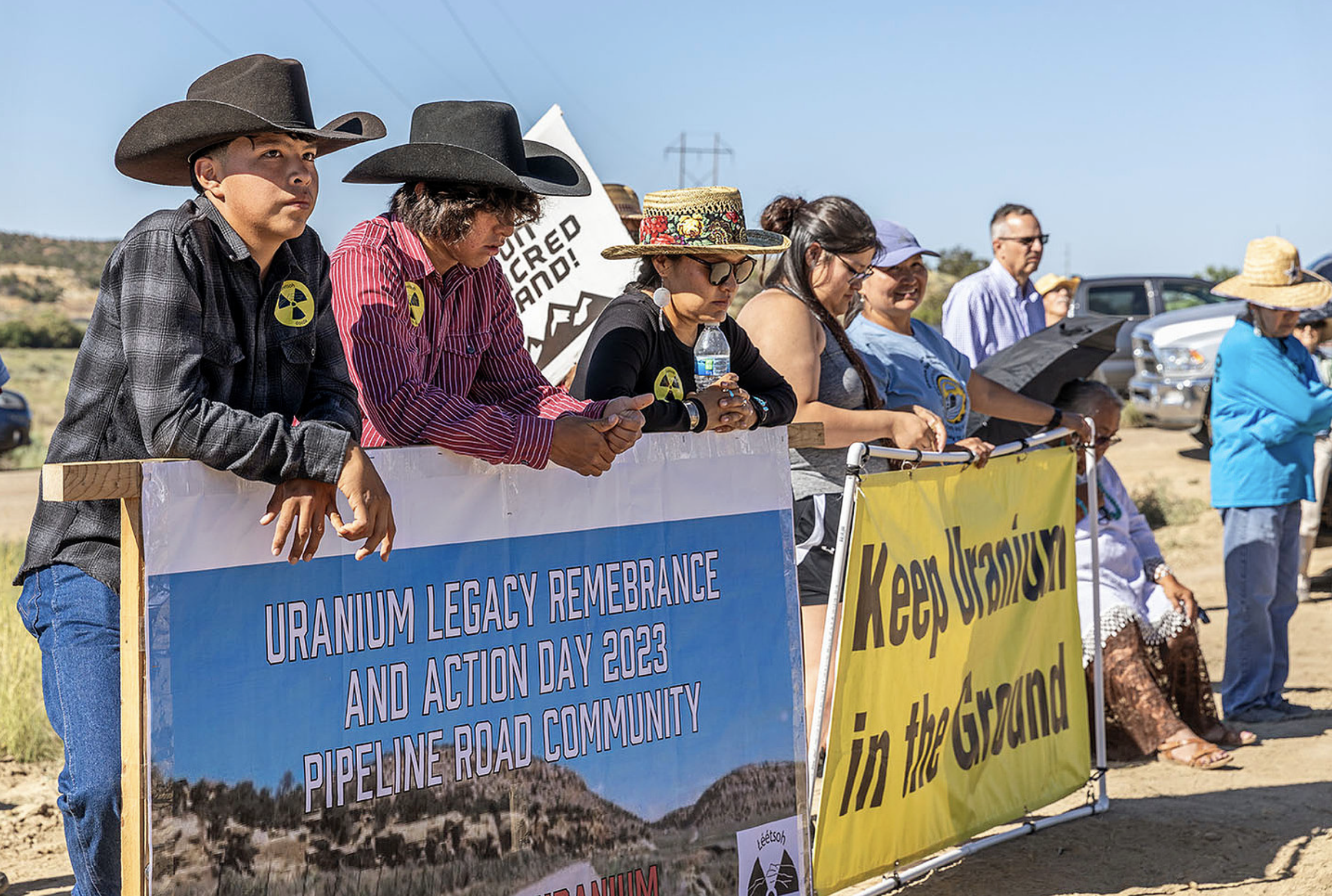
“Youth living near Church Rock, NM, the location of three Superfund uranium contaminated sites, understand their health is at risk from being exposed to dangerous radioactive elements and are speaking out to advocate cleanup and protections for their families.” from the series The Anti-Uranium Mapping Project: Church Rock Spill of 1979 © Shayla Blatchford
-
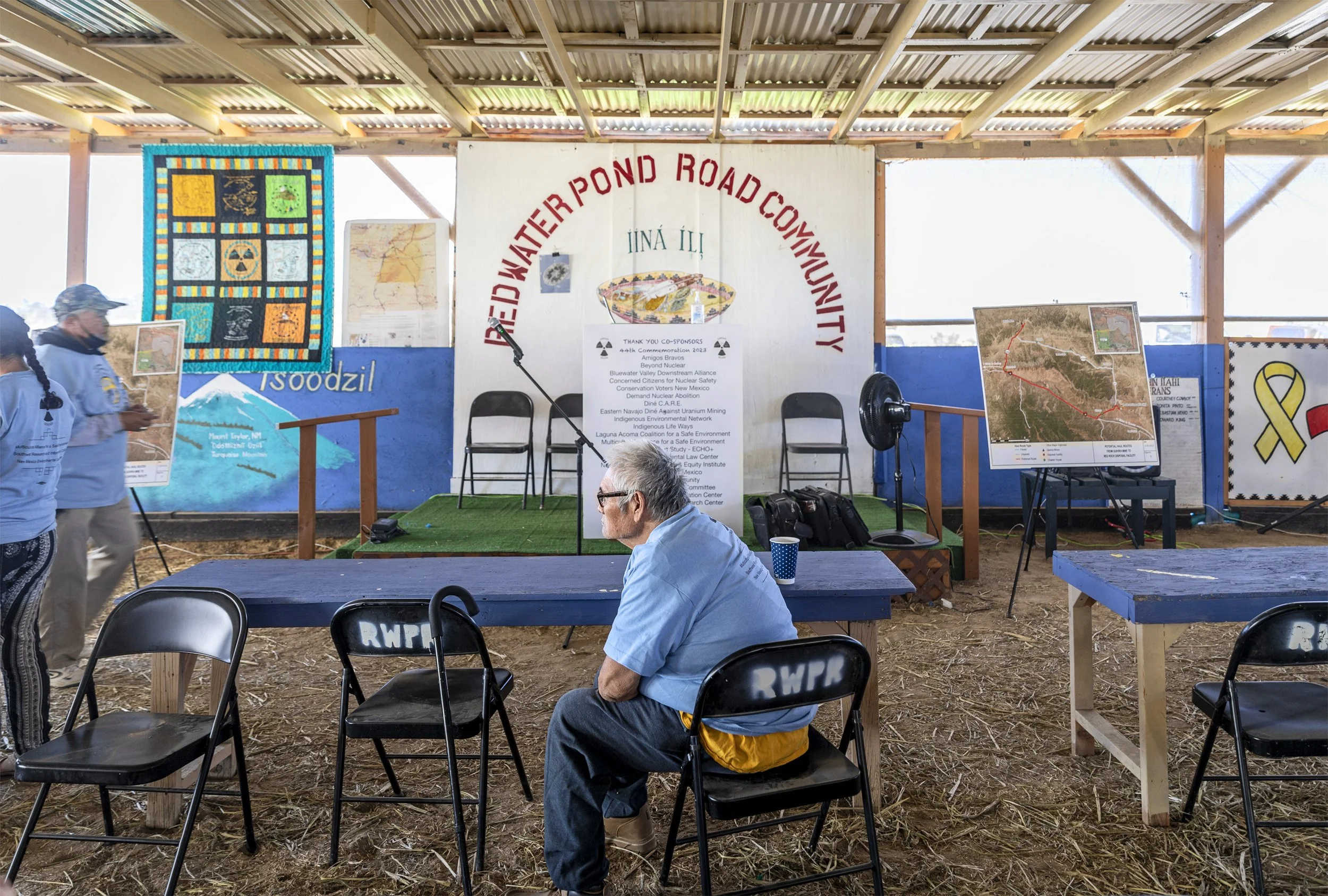
“The Red Water Pond Road Community Association, comprised of Diné families, is a grassroots organization that has suffered the environmental and health consequences from uranium mining and milling in the Church Rock area on Navajo Nation since the 1960s.” from the series The Anti-Uranium Mapping Project: Church Rock Spill of 1979 © Shayla Blatchford
-
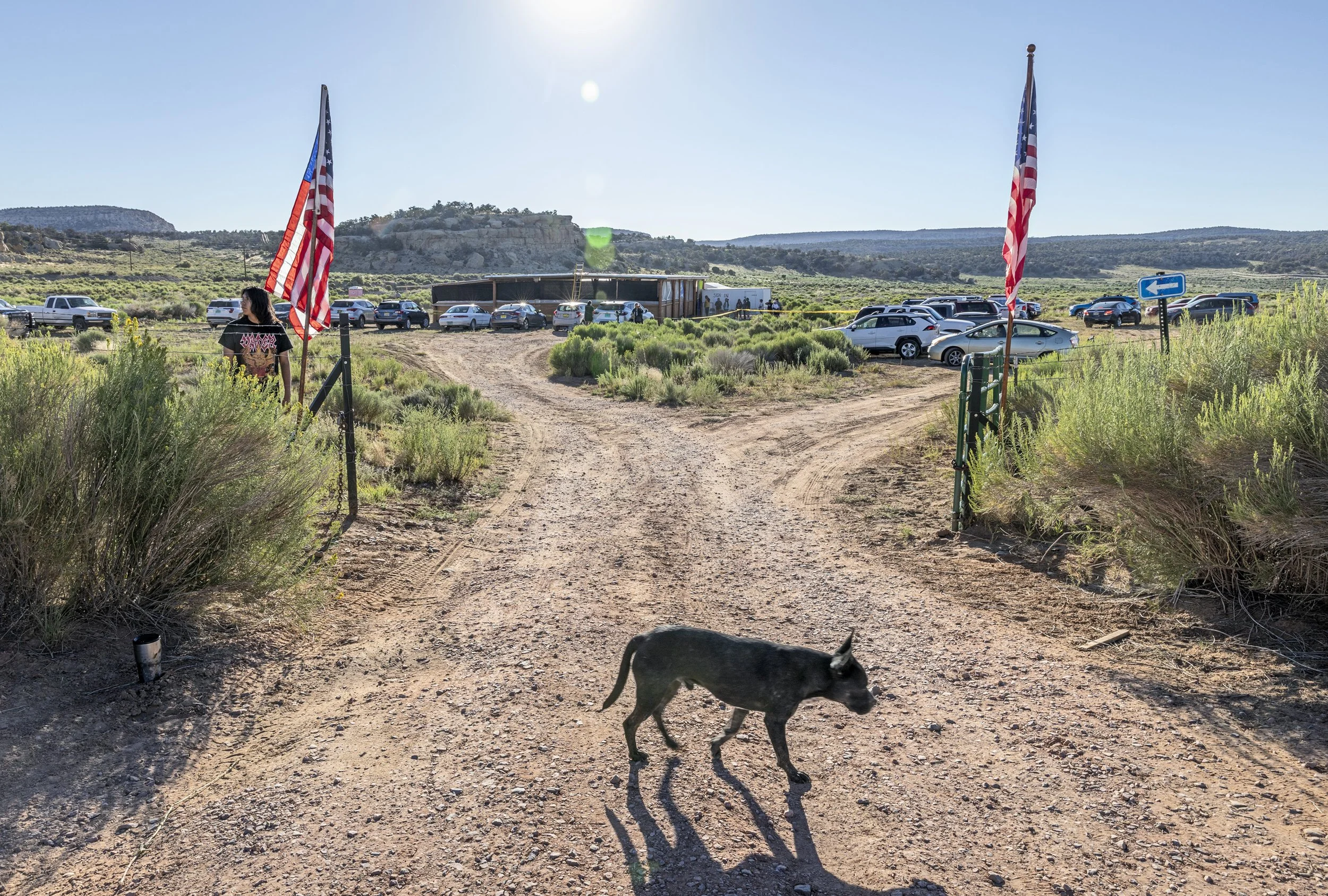
“The Red Water Pond Road Community Association is dedicated to reclaiming lands and waters contaminated by uranium mining, improving the health of its community members, and safeguarding the rich cultural heritage of their environment.” from the series The Anti-Uranium Mapping Project: Church Rock Spill of 1979 © Shayla Blatchford
-
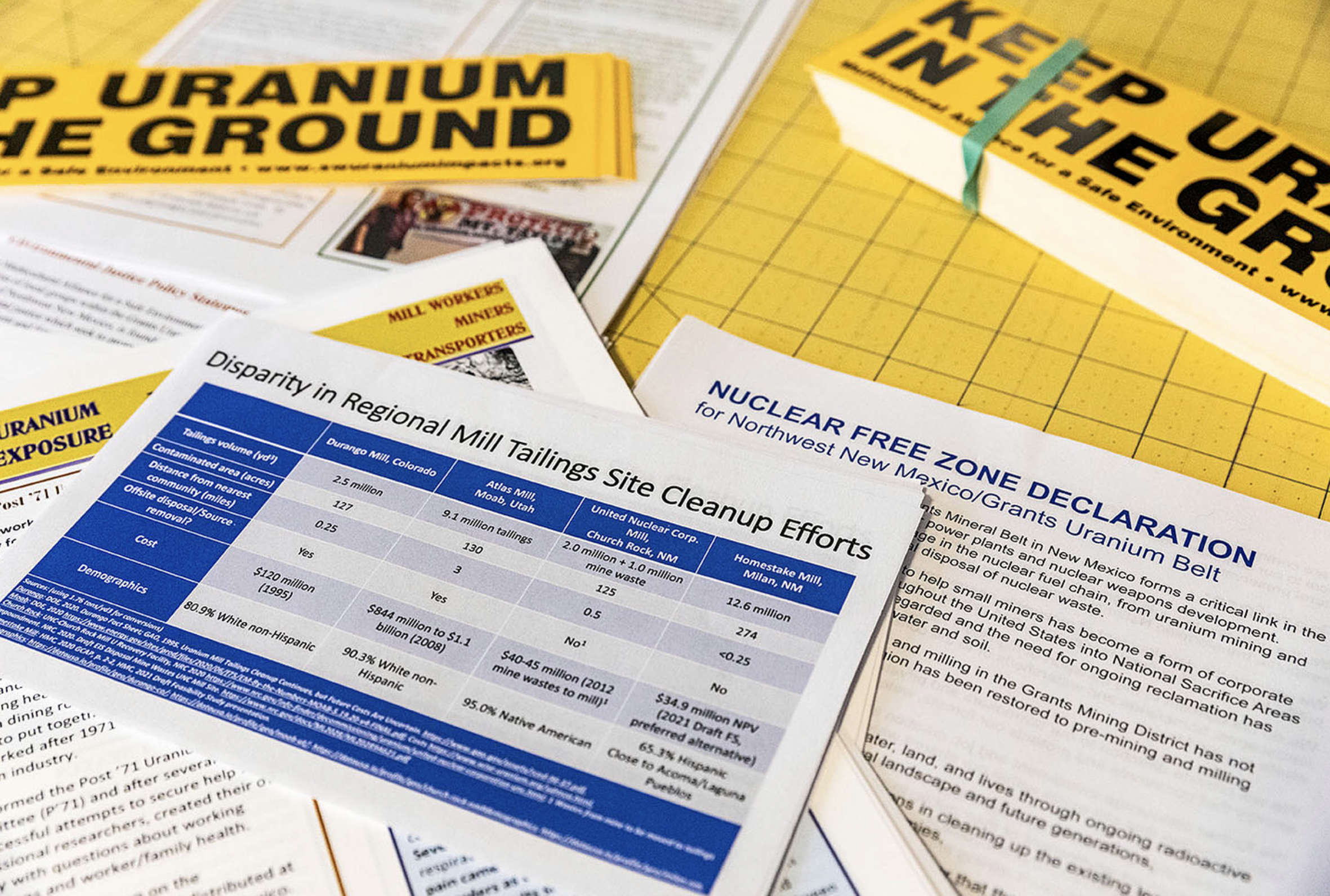
“Susan Gordon’s background of working with federal agencies like the Department of Energy, Labor, Health & Human Services, as well as the Nuclear Regulatory Agency, Environmental Protection Agency, and the Centers for Disease Control and Prevention has given her the experience and knowledge it takes to effectively navigate agencies and corporations when representing communities impacted by the nuclear weapons complex.” from the series The Anti-Uranium Mapping Project: Church Rock Spill of 1979 © Shayla Blatchford
This project comprises interactive digital narratives elucidating uranium mining's impact on the Navajo Nation. Through a map-based interface integrating data and community testimonies, users navigate each narrative, offering a linear progression with clickable options for exploring supporting data. Employing multimodal learning techniques, including animation, videos, text-to-speech, and immersive technology, enhances engagement and knowledge retention.
Twenty-five narratives will unveil diverse perspectives on uranium mining, fostering inclusive dialogue. Incorporating voices ranging from nuclear scientists to tribal leadership expands the platform's accessibility and relevance.
Among the twenty-five narratives planned for capture, one pivotal storyline centers on the Church Rock Uranium Mill Spill of 1979. Through a comprehensive blend of data visualization, including graphs, charts, historical documents, visuals, map references, and video interviews, this testimonial effectively conveys the spill's history and its profound repercussions on neighboring communities. Further narratives will adopt similar methods to weave data visualization into interviews.
"We have waited far longer than other communities in the U.S. for this poison to be cleaned up. When is it our turn to feel safe? How many more generations have to wait?" - Edith Hood, Red Water Pond Road Community of Church Rock, NM on the "Right to Water", October 23, 2015
Urgency and Collaboration • With over 500 abandoned uranium mines on Navajo lands, the dangers are stark. From environmental contamination to the health risks of ionizing radiation exposure, the toll is immense and ongoing. My mission is to shed light on this catastrophe and advocate for the preservation of Native heritage. Driven by a sense of urgency, I collaborate with fellow Diné artists and students to amplify our voices and document the broader narratives of uranium extraction. Through photography and filmmaking, we raise awareness and build community, ultimately striving to create a photographic journal that serves as a testament to our history and a defense against future harm. Join me in this vital endeavor to protect our land, our culture, and our future.
What We Do And Why • This project is a vital historical documentation of the uranium mining era from a Native perspective. Operating through an interactive website, our mission goes beyond conventional methods of education. We are committed to enlightening a diverse audience on environmental issues using a multimodal learning approach, recognizing the rich diversity of learning styles.
Our goal is not only information dissemination, it is also to foster meaningful connections. By forging an extensive database, our aspiration is to spark dialogue and actively engage our audience. Through this innovative approach, we aim to cultivate empathy and understanding, making the stories of those impacted by uranium mining resonate on a deeper level.
This project is a narrative tapestry, weaving together personal stories and environmental concerns. By providing an immersive learning experience, we seek to captivate a broader audience and instill a sense of shared responsibility.
By empowering our audience with a comprehensive understanding, we hope to inspire support for the Navajo people. Through this process, we aim to provide a foundation for individuals to actively participate in shaping the energy future and stewardship of natural resources on Navajo land, all guided by the profound principles of tribal sovereignty.
Take Action •
Donate: Your financial support directly fuels our efforts to create educational resources, advocate for change, and preserve Native heritage. Every donation, no matter the size, makes a significant impact.
Share: Help us amplify our message by spreading the word about the Anti-Uranium Mapping Project on social media. Share our campaign with your friends, family, and followers to raise awareness and garner support for our vital mission. Every share counts!
Attend: Join us at upcoming events, workshops, and exhibitions to learn more about uranium mining's impact on the Navajo Nation and how you can get involved in our efforts. Your presence and participation are invaluable in driving systemic change.
Take Action: Get familiar with local resources and organizations and how to take action here.
Together, let's stand up for justice, preservation, and the protection of our planet. Join us in this urgent mission and be a part of the solution today. #UraniumJusticeNow
About Shayla’s Process • The profound need for platforms like the Anti-Uranium Mapping Project arises from a troubling reality—the deliberate censorship and systematic erasure of voices and testimonies. This intentional silence has perpetuated a void in the representation of stories like those affected by uranium mining. My work is a dedication to empathy, a commitment to taking on these stories with reverence, and a promise to give these individuals and their stories the justice they deserve in their fight for human dignity.